
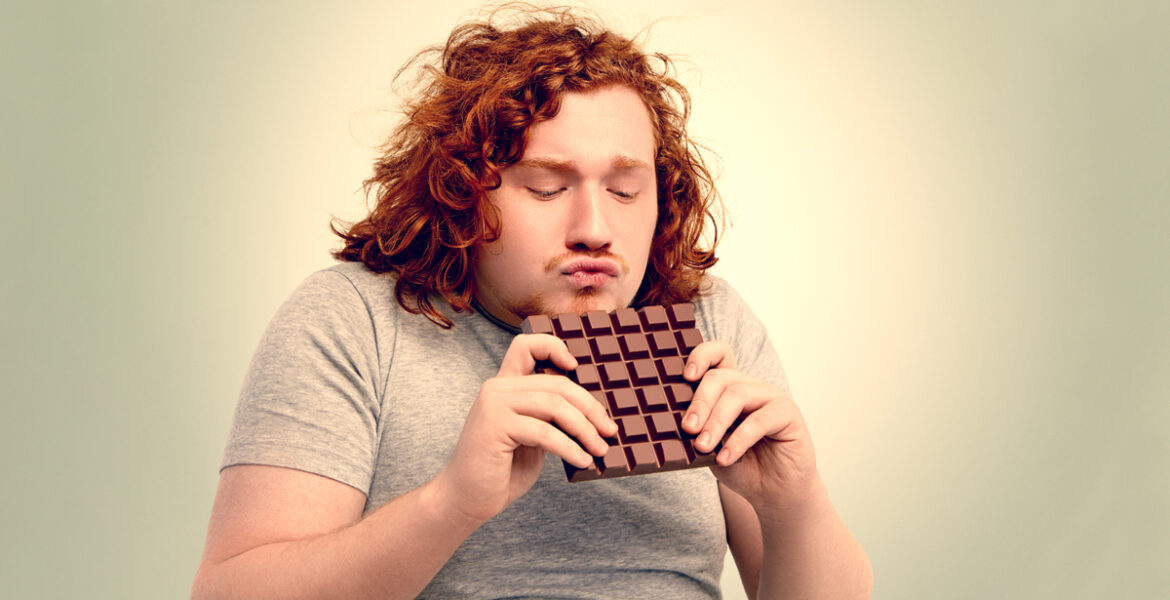
When you are under too much stress, you may find it harder to eat healthy.
When exposed to high levels of stress, you may eat in an attempt to fulfil you hidden emotional needs even when you’re not hungry. And you may be especially likely to eat high-calorie foods.
To avoid weight gain during stress and decrease the risk of obesity, you must learn to keep your stress under control.
When you feel less stressed you may find it easier to stick to healthy eating and exercise habits, and avoid harmful behaviours.
Researchers have been studying the physical effects of stress on the human body for some time. One of the effects they have found is that extended stress most likely leads to unwanted weight gain.
These changes are mostly related to increased secretion of cortisol that comes with a prolonged stress reaction.
Cortisol is the stress hormone; its job is to return the body back to normal state after a fight-or-flight response to a dangerous situation. But, if the stressful situation is ongoing or the body doesn’t return to its normal state, too much cortisol can start causing problems.
For example, cortisol can cause the excess fat that’s being stored to be distributed around the organs, and in such way, it can cause so called “stress belly.”
You may be generally slim, but if you do have extra fat around your middle, cortisol may be the one to blame. And not only the “stress belly” is unattractive, but at the same time it increases your risk of several medical conditions.
In one study scientist have found that women who were under more stress produced more insulin.
Increased levels of insulin have caused more fat to be stored rather than burned, so it also led to increased fat.
It has been shown that stress can decrease metabolism.
When you’re stressed, you can eat the same things as someone who is not stressed, and your metabolism may get slower during extended periods of stress and lead to weight gain in the long term.
Besides the direct physical effects of stress, stress can bring about many unhealthy habits too, like overeating, eating unhealthy foods, or starting to lead a more sedentary life.
During high stress most of us can start eating so called comfort foods which are high in calories, and that too is likely to increase your weight.
Because stress induced reactions can cause you to gain weight whether you eat too much or not, you need to practice stress reduction techniques if you want to stay slim.
Some destressing techniques that might help include meditation, mindfulness, yoga, guided imagery, deep breathing etc.
If you try stress management techniques on your own but they don’t bring about the much-anticipated result, do not give up, but consider seeking professional help through psychotherapy and counselling.