
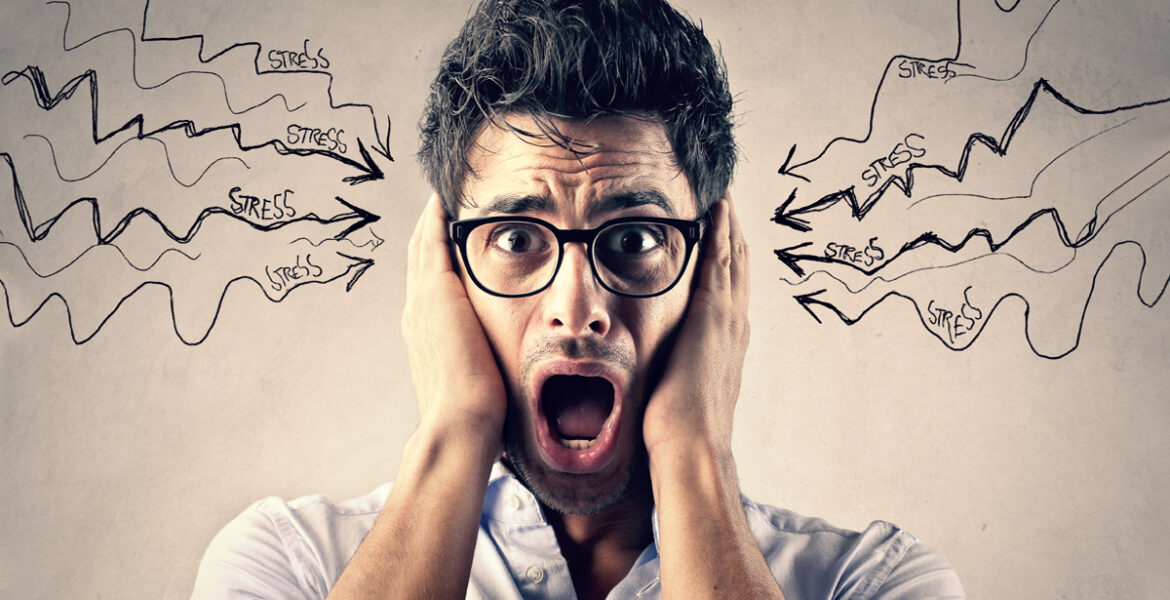
What is stress?
Stress is a state of mental or emotional strain or tension resulting from adverse or demanding circumstances in life. Continuous exposure of the stress response on our body is proven to lead to long-lasting psychological and physical health issues like cardiovascular disease, diabetes, anxiety and depression. Different people can experience stress differently, but most common symptoms are:
- Feeling overwhelmed;
- Insomnia or excessive sleeping;
- Weight gain or weight loss;
- Irritability;
- Headaches;
- Stomach pain;
- Poor concentration;
- Sweaty hands or feet;
- Social isolation;
- Fatigue;
- different obsessive or compulsive behaviors.
Stress versus burnout
If you are asking yourself what is the difference between stress and burnout? First and foremost, you should know that stress is unavoidable, but burnout isn’t.
Burnout is often explained as the accumulation of excessive stressors over some period of time, which at some point results in unmanageable stress levels.
Burnout is a word used more broadly to refer to the consequences of excessive stress, when we get to the point of being burned out like a candle, because we can’t cope anymore with the demands of our life.
But regardless if you are suffering from acute or chronic stress or you have already reached the point of burnout, the good news is that different stress management techniques can help.
According to The American Psychological Association there are 7 tips which should be taken in consideration when trying to manage stress:
- Understand your stress
Stress can be different for everybody, but you must try to understand what stress looks like for you, so that you can choose the most suitable technique to manage it.
- Identify the sources of your stress
It could be different sources that are causing you stress, too much work, type of work, no work at all, family, some major change in life etc. But is highly recommended that you know the triggers so that you can address them.
- Recognize stress signals
Stress signals are actually your individual stress symptoms, and you should learn to recognize them.
- Recognize your habitual stress strategies
These are your own behaviors which were implemented over years and sometimes aren’t the healthiest option (overeating, wasting endless hours in self isolation in front of TV or computer etc. ).
- Choose healthy stress management strategies
If you are already aware of any current unhealthy coping behaviors, it is necessary to switch them out for a healthy option.
- Your self-care should be a priority
You must make time for yourselves, and put your well-being before others, this is not selfish to start, but it is a must for your own health and sanity.
You can start simple by not overlooking your basic needs like getting enough sleep, healthy meals, regular exercise etc.
- Ask for professional support when needed
If you are feeling overwhelmed, and can’t cope with the stressful situation on your own it is necessary to reach out to a friend or family member you can talk to, or seek professional help as soon as you can.